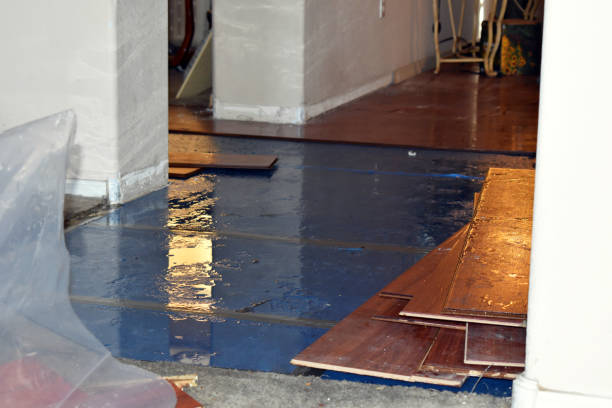
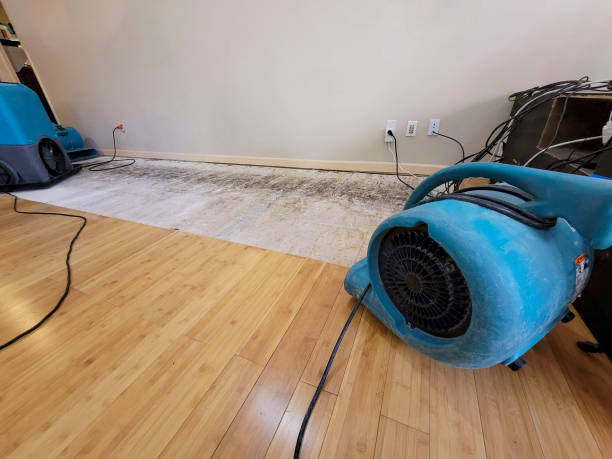
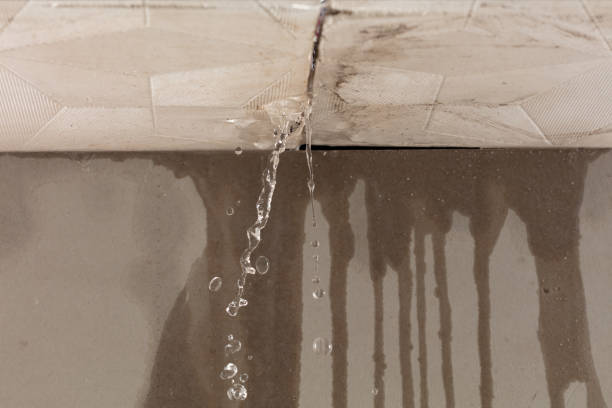
A structure that looks dry on the surface can still hold dangerous moisture inside walls and subfloor. Our Structural Drying And Dehumidification process tests what you can't see, not just what you can.
Call +1-844-833-1325 Now
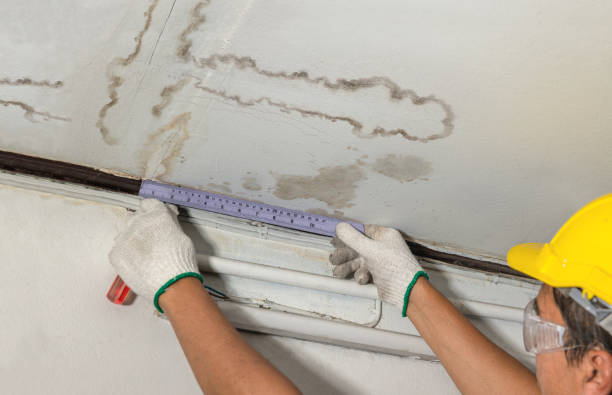
A moisture meter reading is compared against a dry reference point in the same structure, not a fixed number, since normal moisture content varies by material and by region.
We'd rather explain the structural drying and dehumidification process in plain terms upfront than have you find out the hard way what a shortcut costs later.
We built this list around what typically goes wrong when structural drying and dehumidification gets handled by a generalist rather than a specialist.
None of these standards are unique to us in theory, but they're worth confirming before you let anyone start structural drying and dehumidification work on your property.

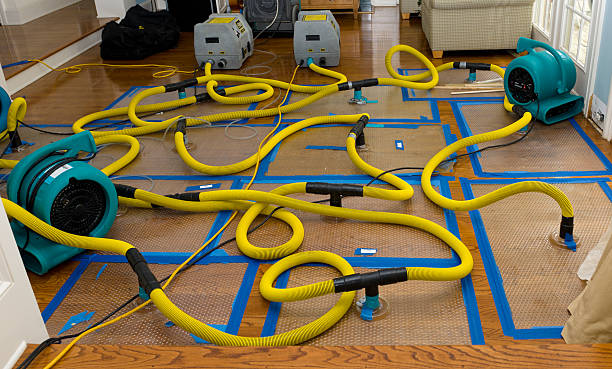
We calculate drying conditions using psychrometric data, not a visual estimate.
Every drying job gets tracked with daily readings, giving you documented proof of progress.
Low-grain-refrigerant dehumidifiers handle humidity levels that standard consumer units can't touch.
We re-test every affected area before calling the drying phase complete.
We don't treat structural drying and dehumidification as a single generic task — each part of the process below gets its own specific approach.

This data drives equipment placement instead of guessing based on how a room looks.
Placement follows the specific geometry of the affected room, adjusted daily as conditions change.
We deploy LGR equipment specifically for jobs where humidity levels demand more aggressive extraction from the air.
Moisture meter readings get logged daily across every affected material until targets are hit.
We use thermal imaging both at assessment and again before sign-off to confirm nothing was missed.
Complete drying logs are provided at job close, useful for both your records and insurance claims.
Four steps, no guesswork, from your first call to a verified structural drying and dehumidification result.
Dispatch gathers just enough detail to load the right equipment before the truck leaves.
The truck that arrives is stocked specifically for Structural Drying And Dehumidification jobs, not a generic handyman setup.
The assessment sets the whole plan, so we don't rush it even when the visible damage looks minor.
A job isn't closed on a visual check — it's closed on a verified reading.


"We had a slow leak for weeks and thermal imaging found moisture in a spot we never would have checked."
Carlos V., Wyoming"Our crawl space held humidity longer than expected and they adjusted the dehumidifier setup accordingly."
Wendy K., Wyoming"Thermal imaging at the final check caught a spot that still needed another day of drying."
Marcus T., Wyoming"Daily logs meant our facilities manager always had current numbers to report internally."
Angela F., WyomingThese are the questions we hear most often about structural drying and dehumidification, gathered from real calls, not a generic template list.

Aqua Guard Water Damage dispatches structural drying and dehumidification crews throughout Wyoming and the surrounding zip codes, including 19934.
Coverage extends past the immediate area, so an outlying Wyoming address isn't treated as a lower priority for structural drying and dehumidification.